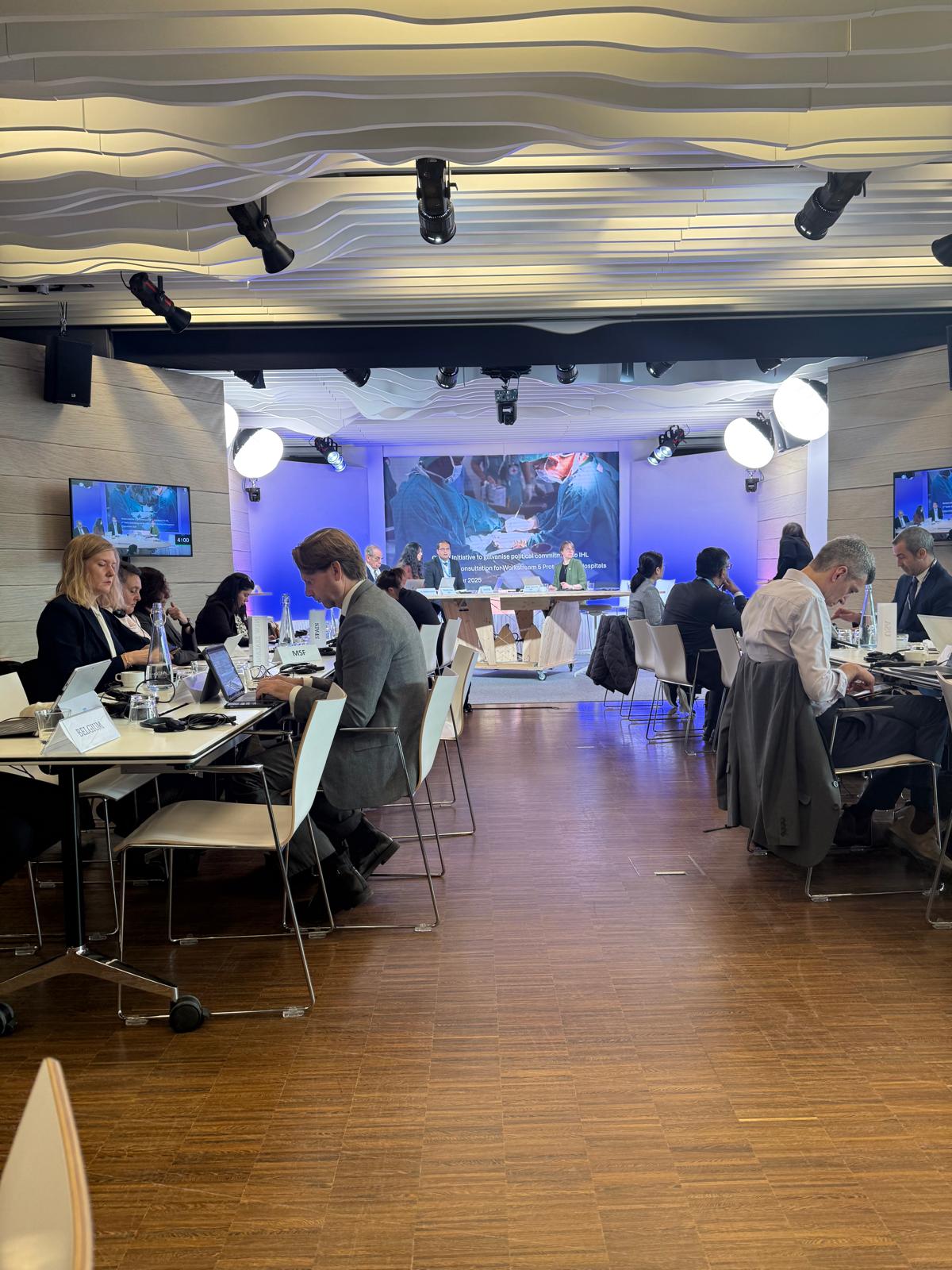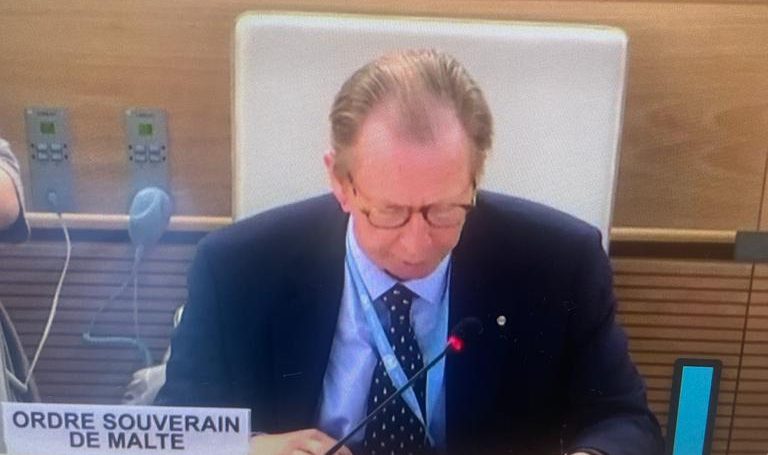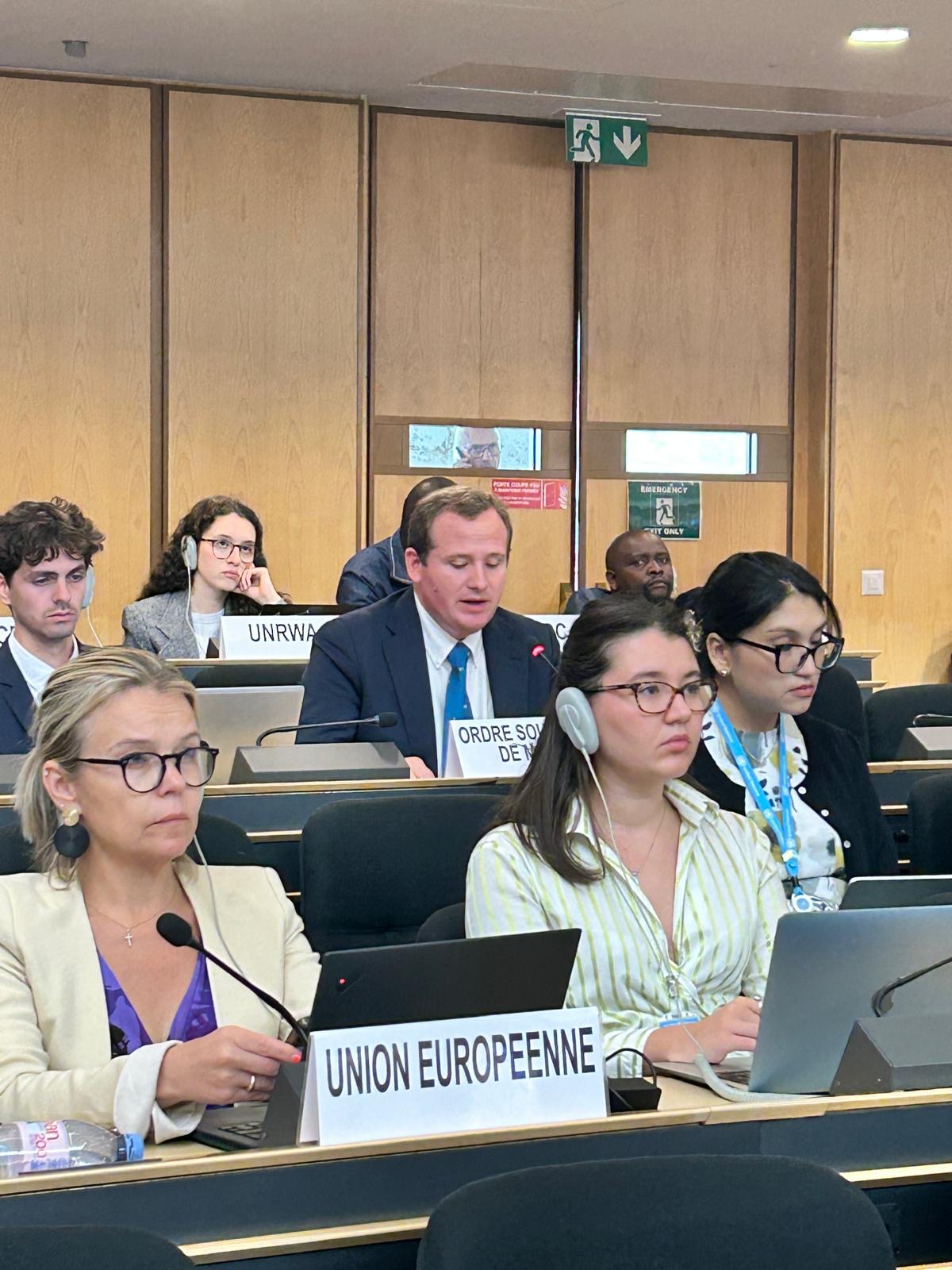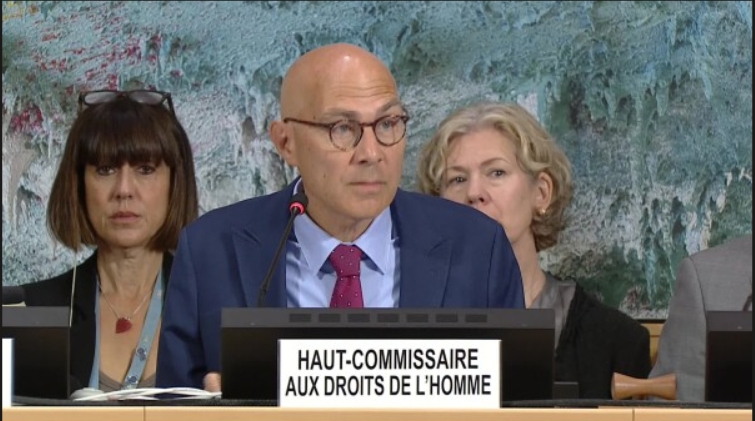
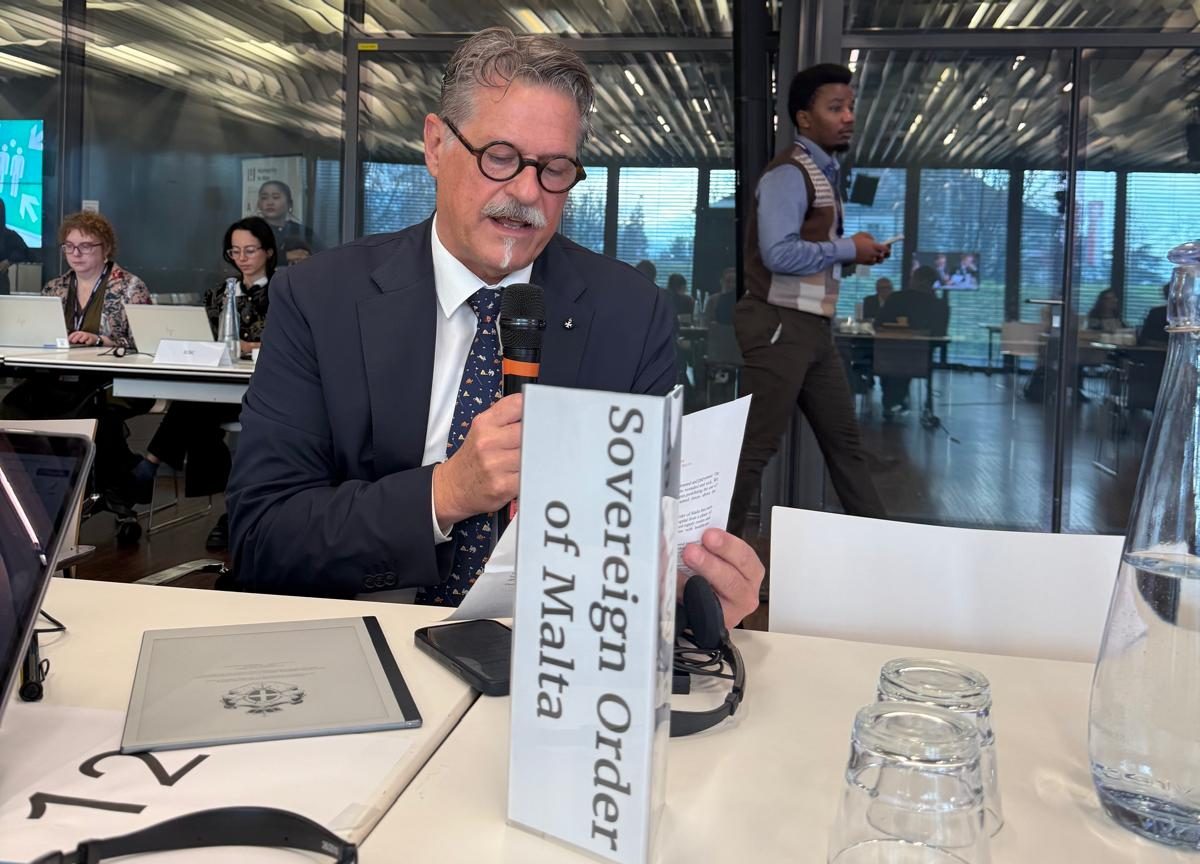
On 2 December 2025, states and experts convened at the ICRC Humanitarium in Geneva for the Second State Consultation on Achieving Meaningful Protection for Hospitals in Armed Conflict. Building on the first consultation, the meeting focused on improving respect for and implementation of international humanitarian law regarding medical facilities. Participants discussed state practice, operational challenges, and good practices to ensure hospitals receive adequate supplies, equipment, and protection to remain functional during hostilities. Friedemann Eder, First Counsellor of the Permanent Mission of the Order of Malta to the UN in Geneva, contributed to the exchange, emphasizing the importance of practical, solution-oriented dialogue to strengthen the protection of medical services in armed conflict:
Chair, Excellencies, Ladies and Gentlemen,
The Sovereign Order of Malta warmly thanks the co-chairs and the ICRC for convening this important consultation. As a neutral, non-political, impartial and independent entity with a centuries-long commitment to medical humanitarian action, it is able to provide assistance in crisis situations where other organizations have difficulty of access. We therefore welcome the opportunity to contribute to the protection of hospitals and medical facilities in armed conflict, a cornerstone of international humanitarian law and a moral imperative.
The Order of Malta operates in 120 countries across six continents, including in conflict and crisis zones. Among others, we organize volunteer and ambulance corps in 43 countries, operate 15 hospitals in Africa and a maternity hospital in Bethlehem, run or support approximately 1,500 clinics and dispensaries worldwide, and provide emergency relief through Malteser International in 140 projects across 36 countries.
Through these global medical and relief activities, the Order of Malta has witnessed the devastating consequences when hospitals are targeted, misused, or deprived of essential resources. We welcome all progress made in identifying good practices to uphold the specific
protection of medical facilities, and we urge all parties to armed conflicts to respect and implement them.
First, we emphasize the critical importance of preventing attacks on hospitals including mobile clinics and ambulances. The Order of Malta supports the development of robust military doctrines and civil-military coordination mechanisms to ensure that medical facilities
are identified, mapped, and excluded from targeting. We encourage states to adopt and share best practices for no-strike lists and to integrate medical authorities into operational planning.
Second, the misuse of hospitals for military purposes must be condemned and prevented. The Order of Malta’s medical facilities operate solely for the care of the wounded and sick. We urge all states to adopt and enforce clear standard operating procedures prohibiting the use of hospitals for military activities, and to raise awareness among armed forces about the
consequences of such misuse.
Third, hospitals must be able to keep working during conflicts. The Order of Malta has seen how disruptions to medical supplies, electricity, or water can turn a hospital from a place of healing into a site of suffering. We call for practical measures to safeguard supply routes and
essential services, and for the establishment of coordination platforms with healthcare providers to mitigate the impact of hostilities on medical care.
Finally, the loss of protection must remain an exceptional and strictly regulated measure. We underscore the necessity of verifying allegations of harmful acts through credible sources and ensuring that warnings are clear, timely, and allow for the safe evacuation of patients and staff. We support the integration of these principles into rules of engagement and military
manuals.
In closing, the Order of Malta reaffirms its commitment to working with states and partners to translate these discussions into actionable recommendations. Protecting hospitals is not only a legal obligation but a reflection of our shared humanity.
Thank you.