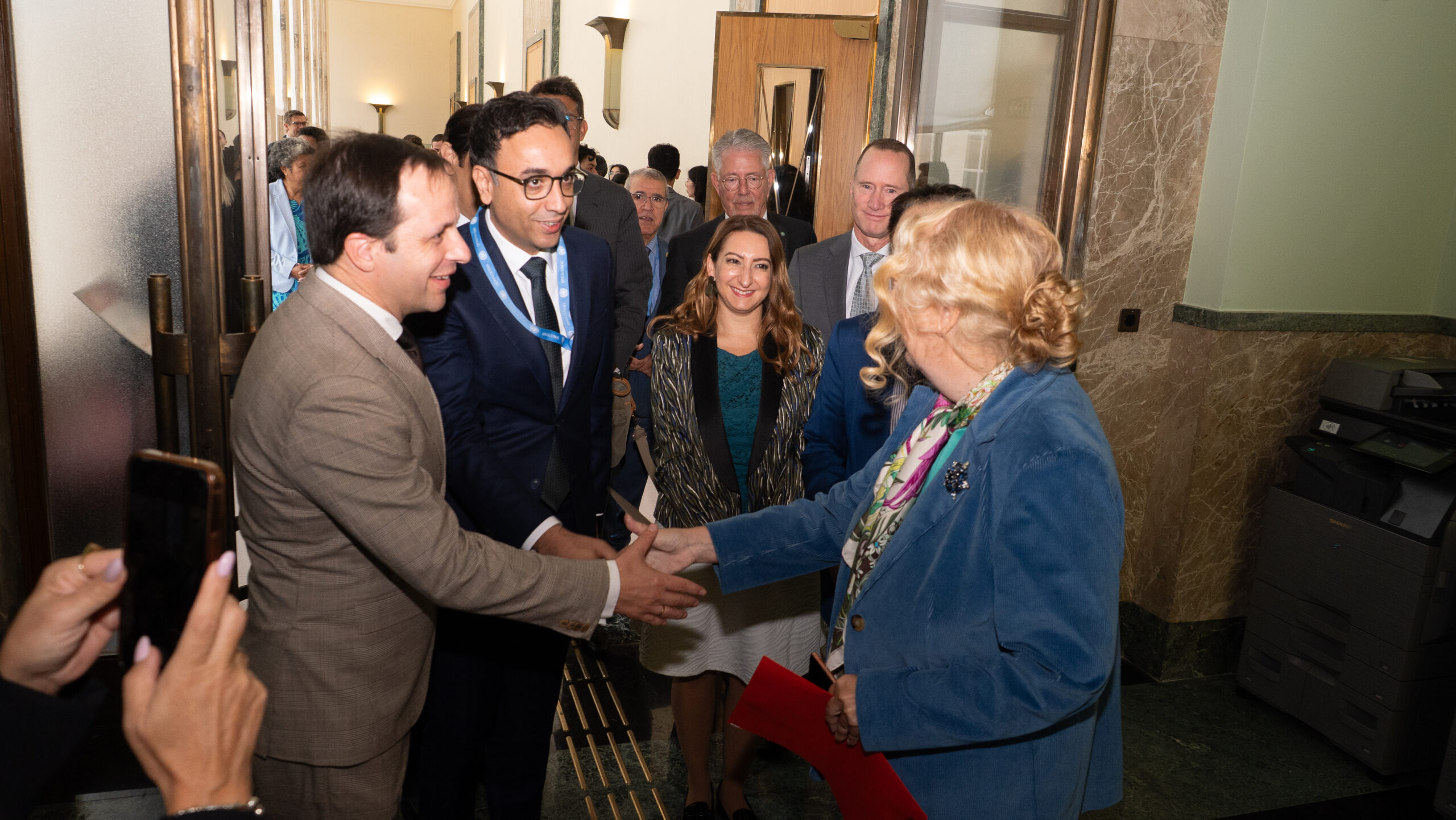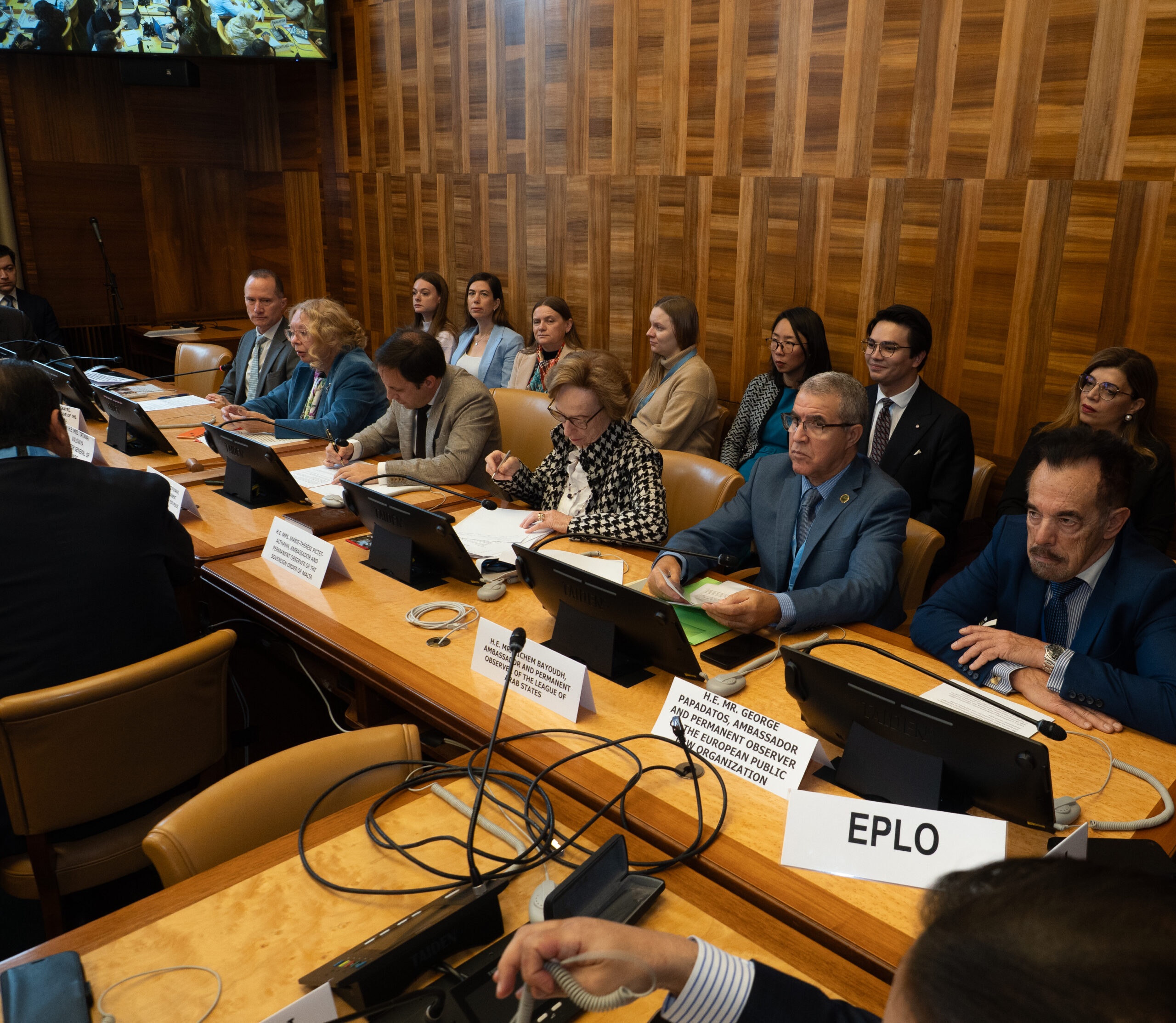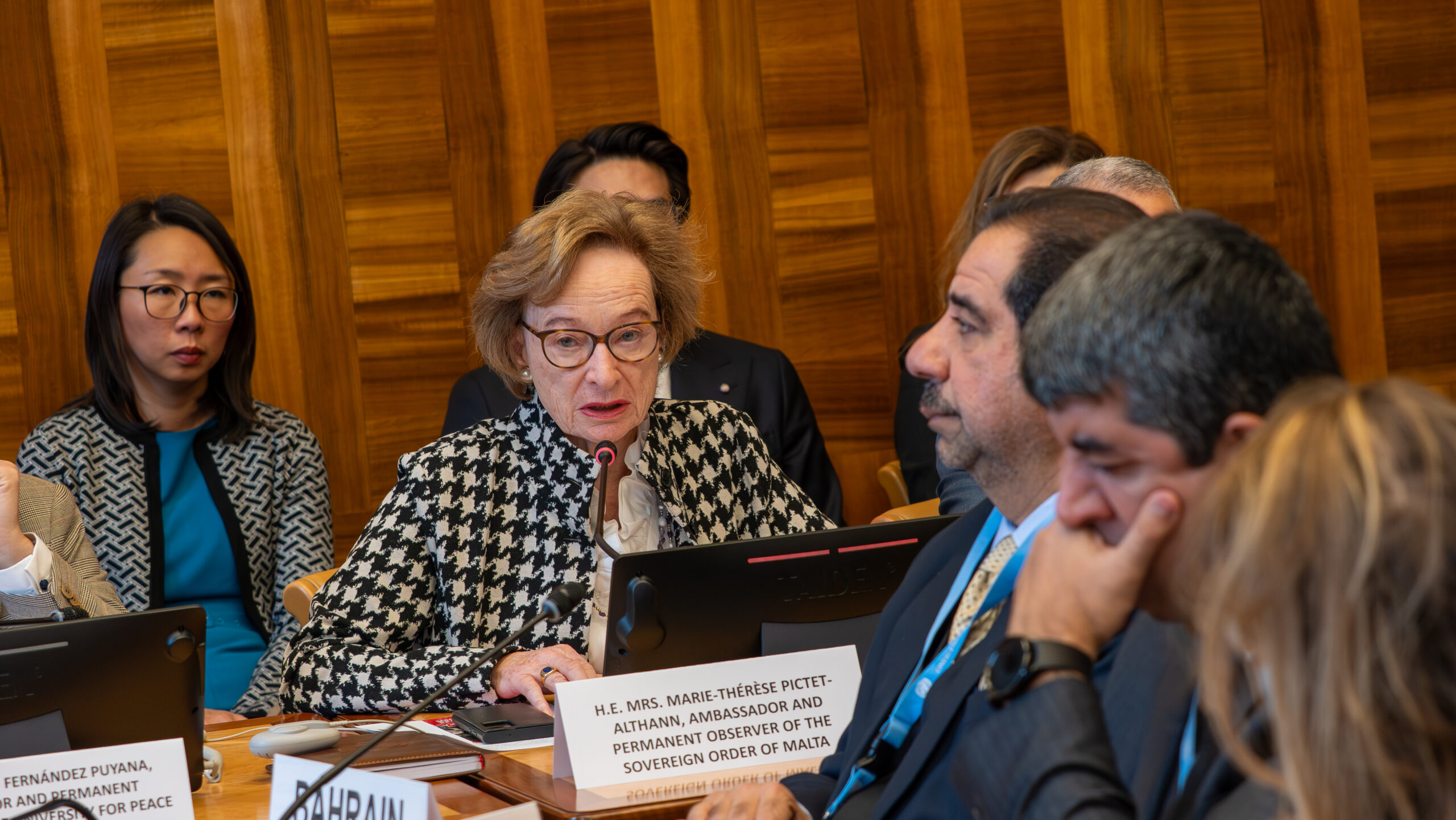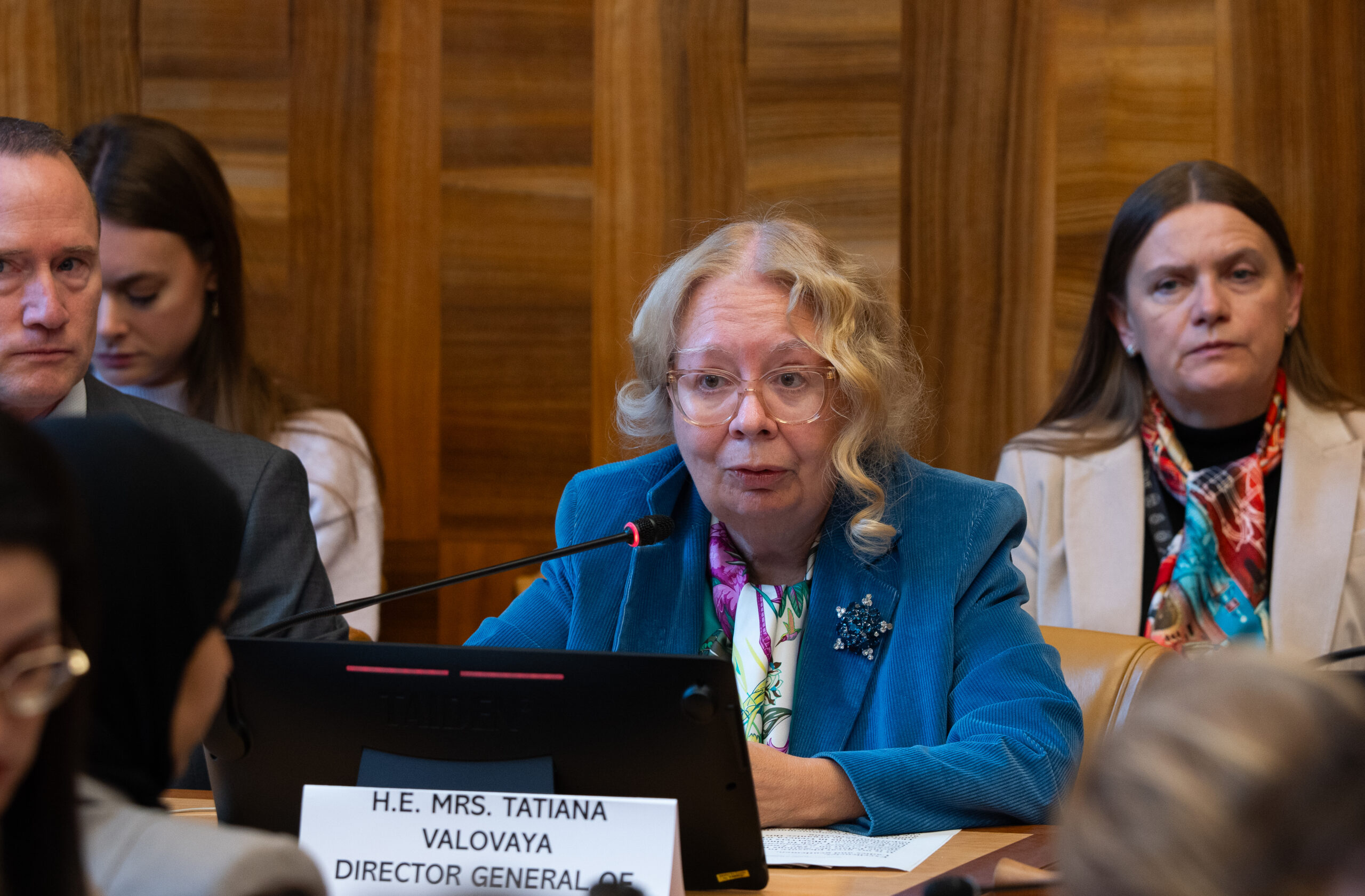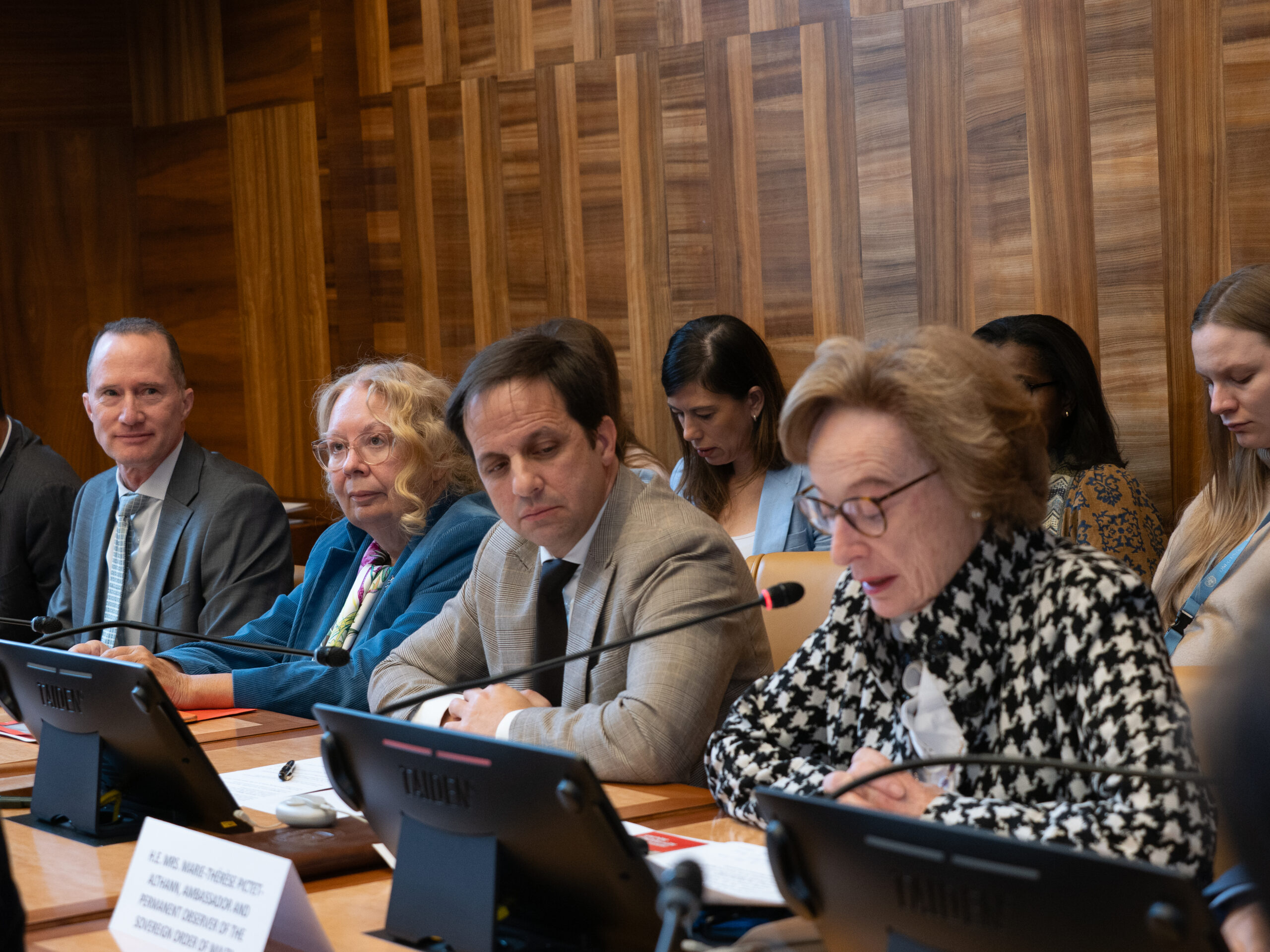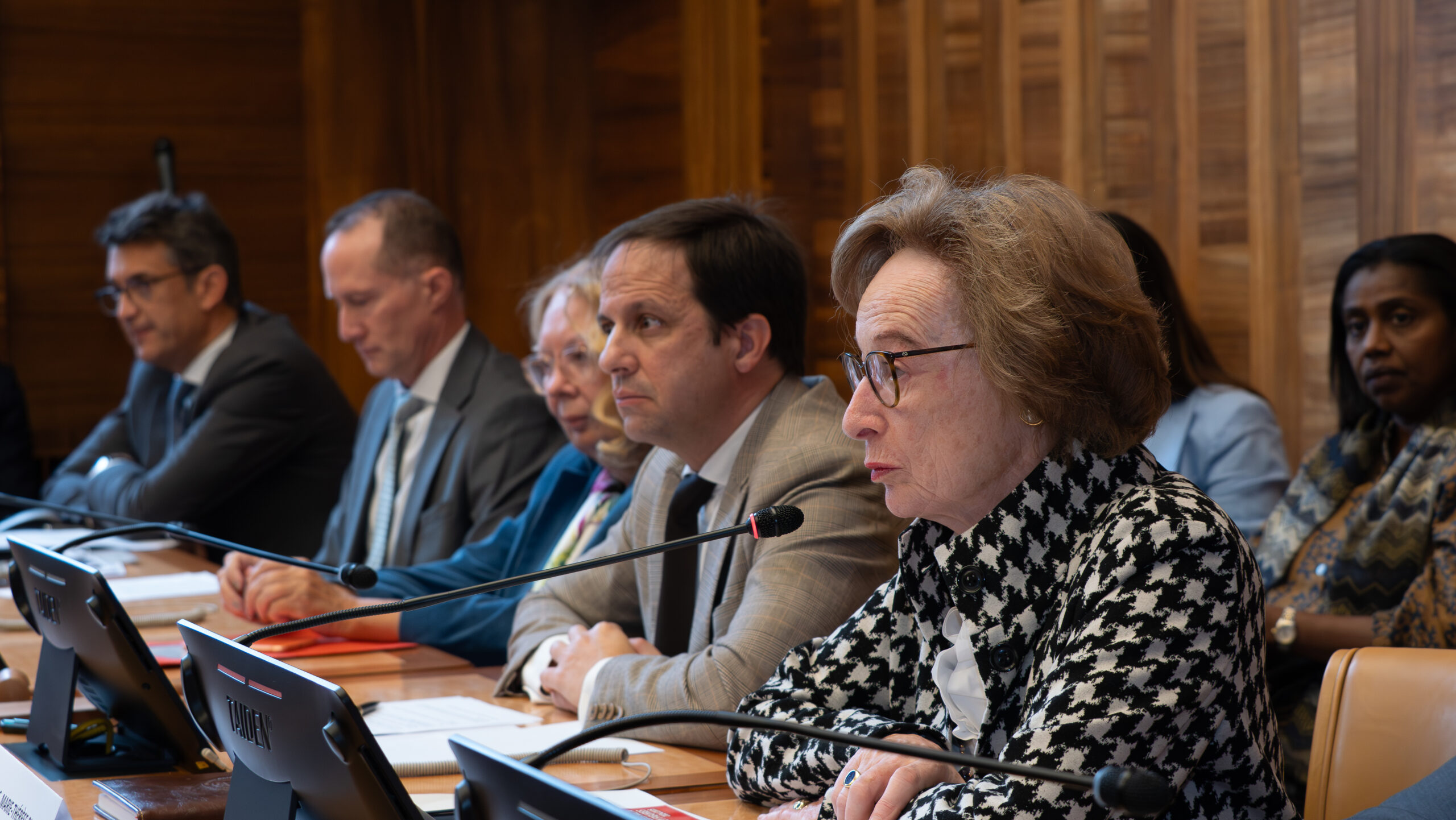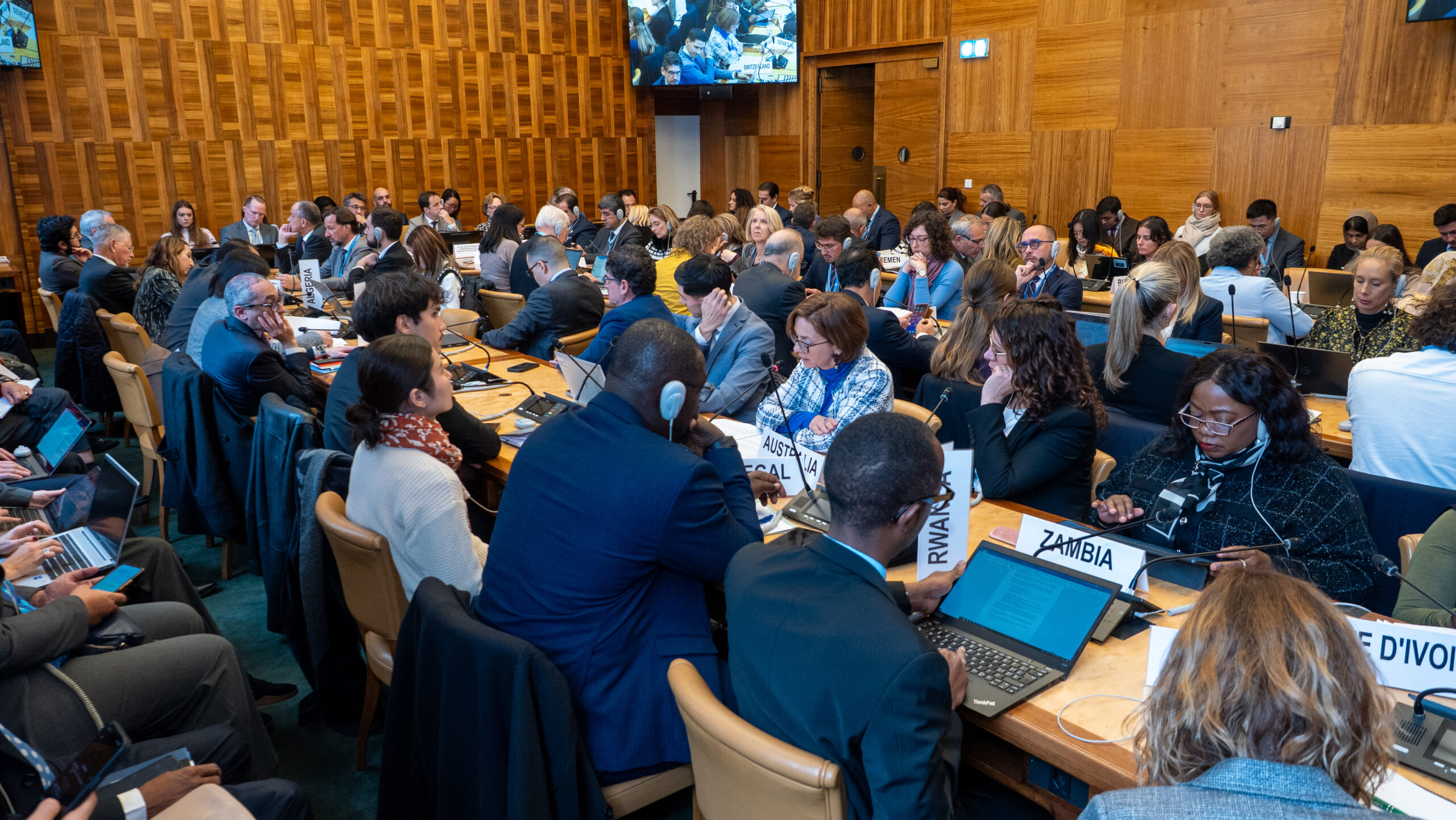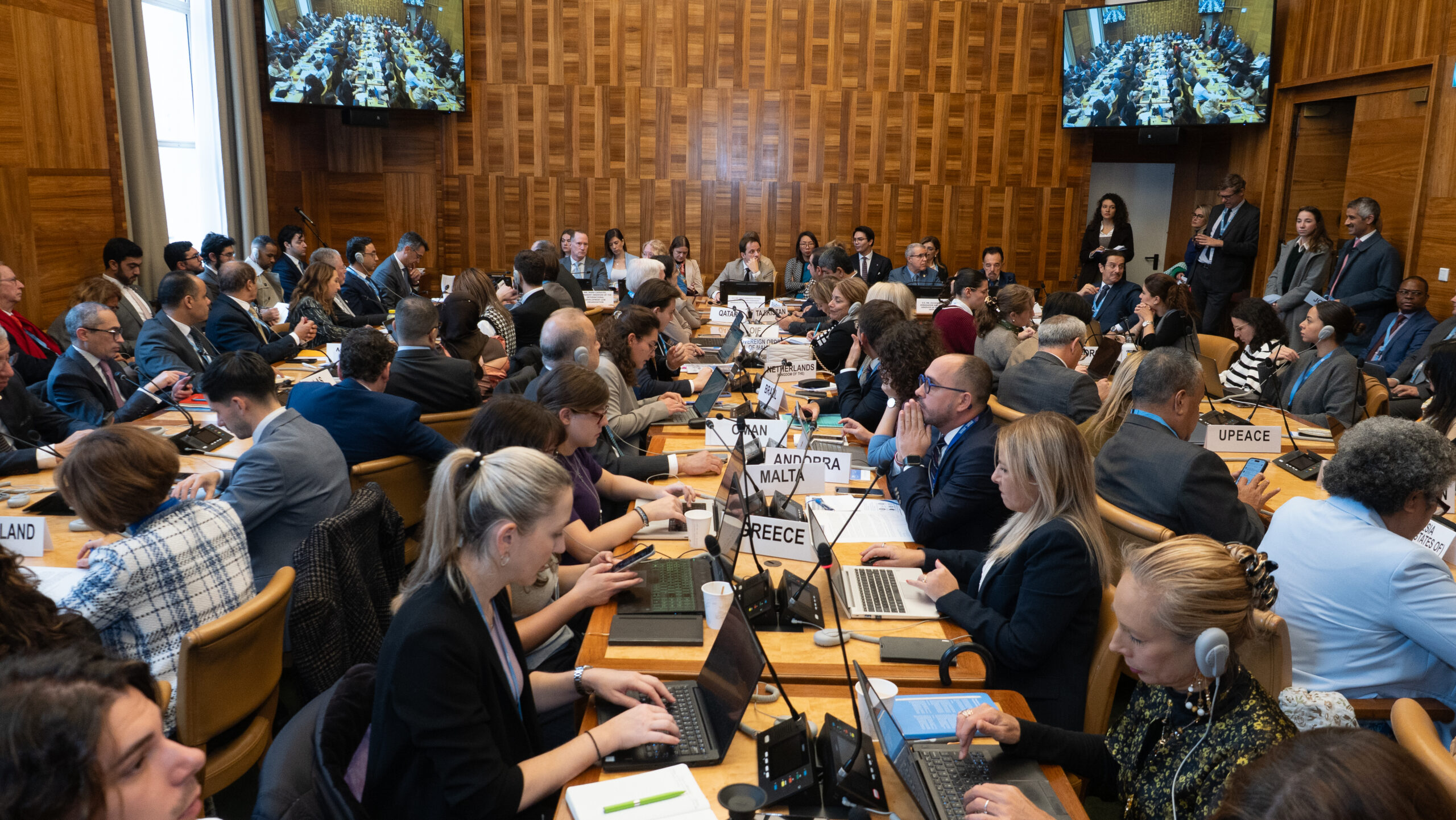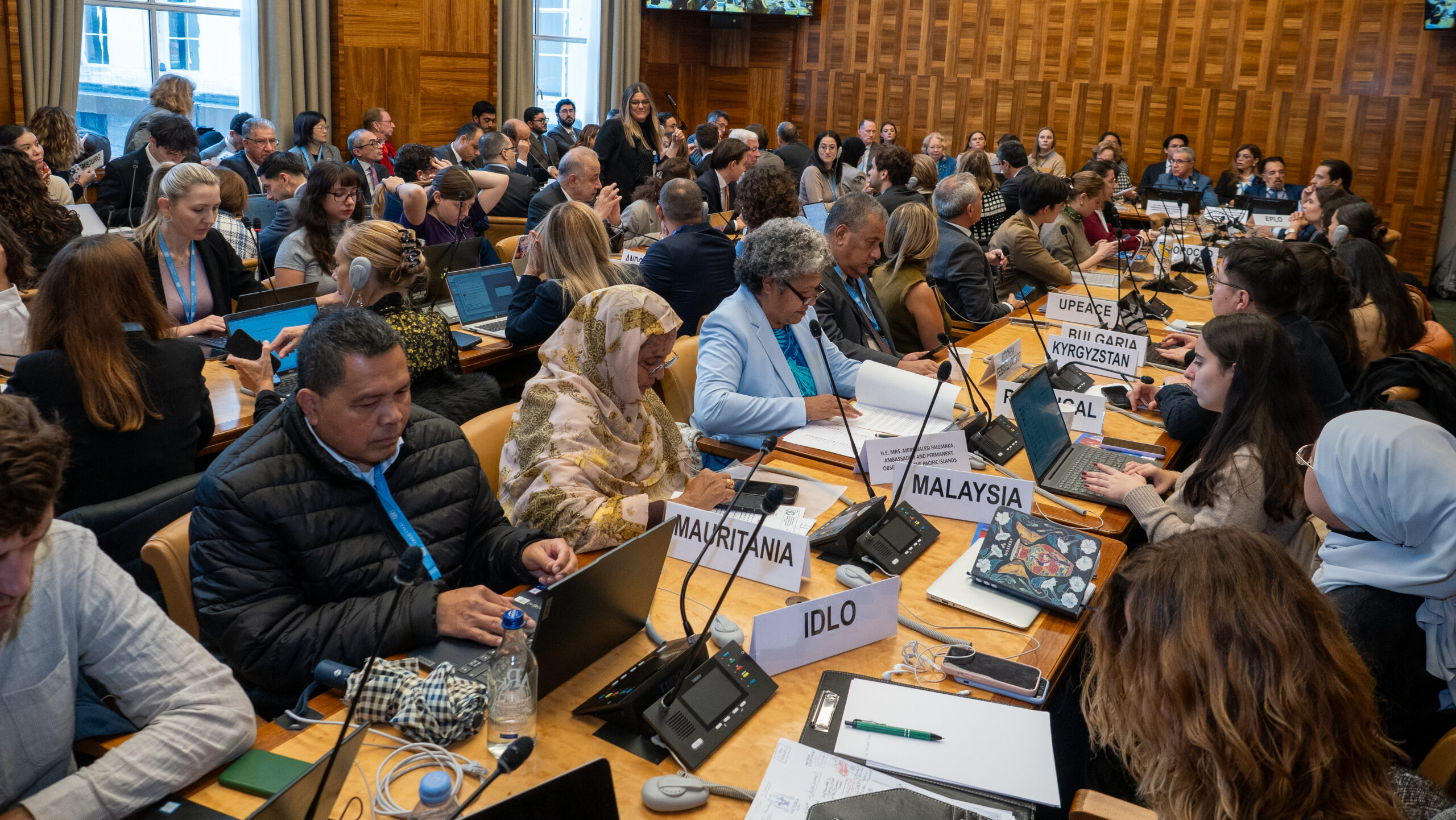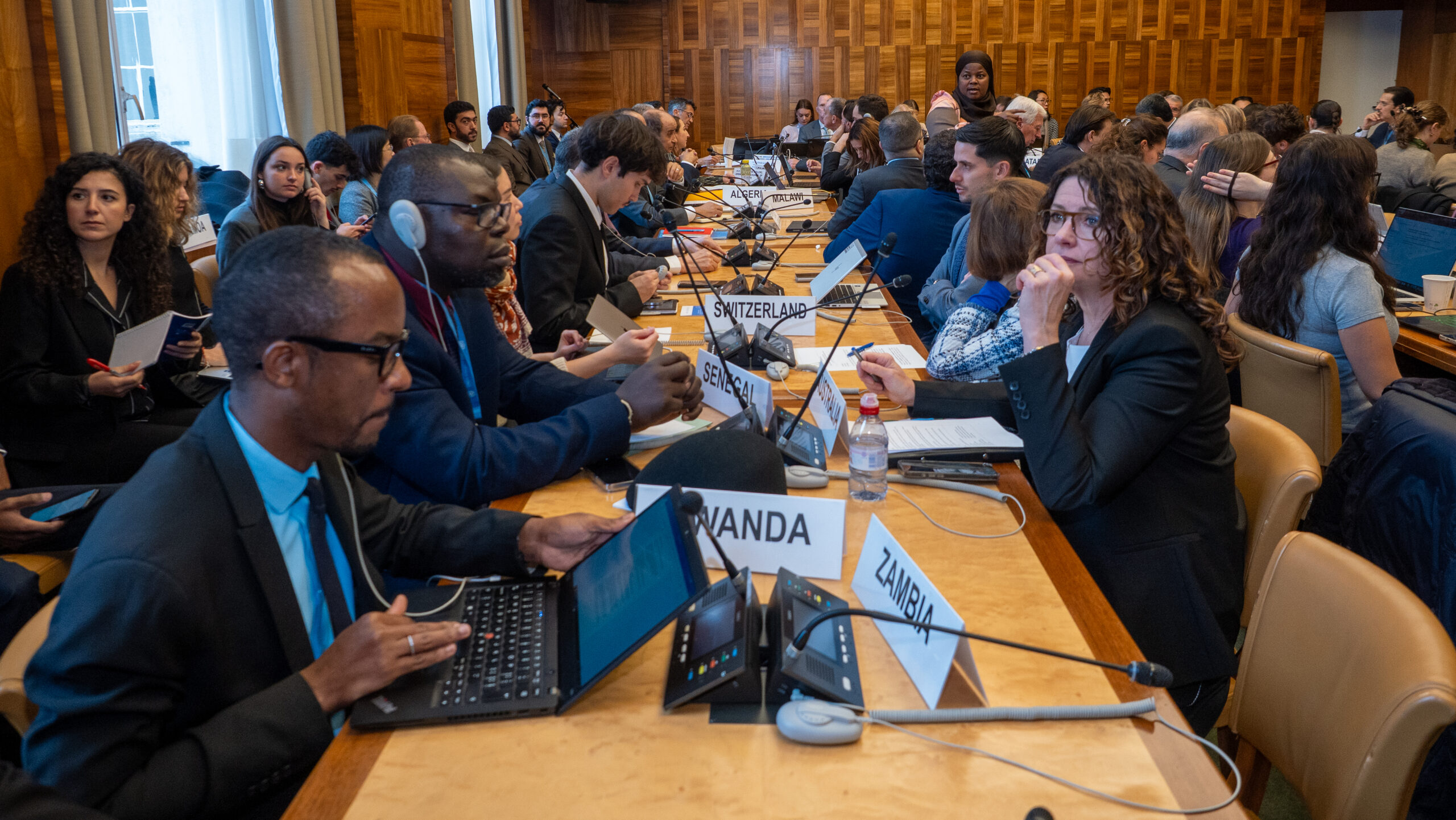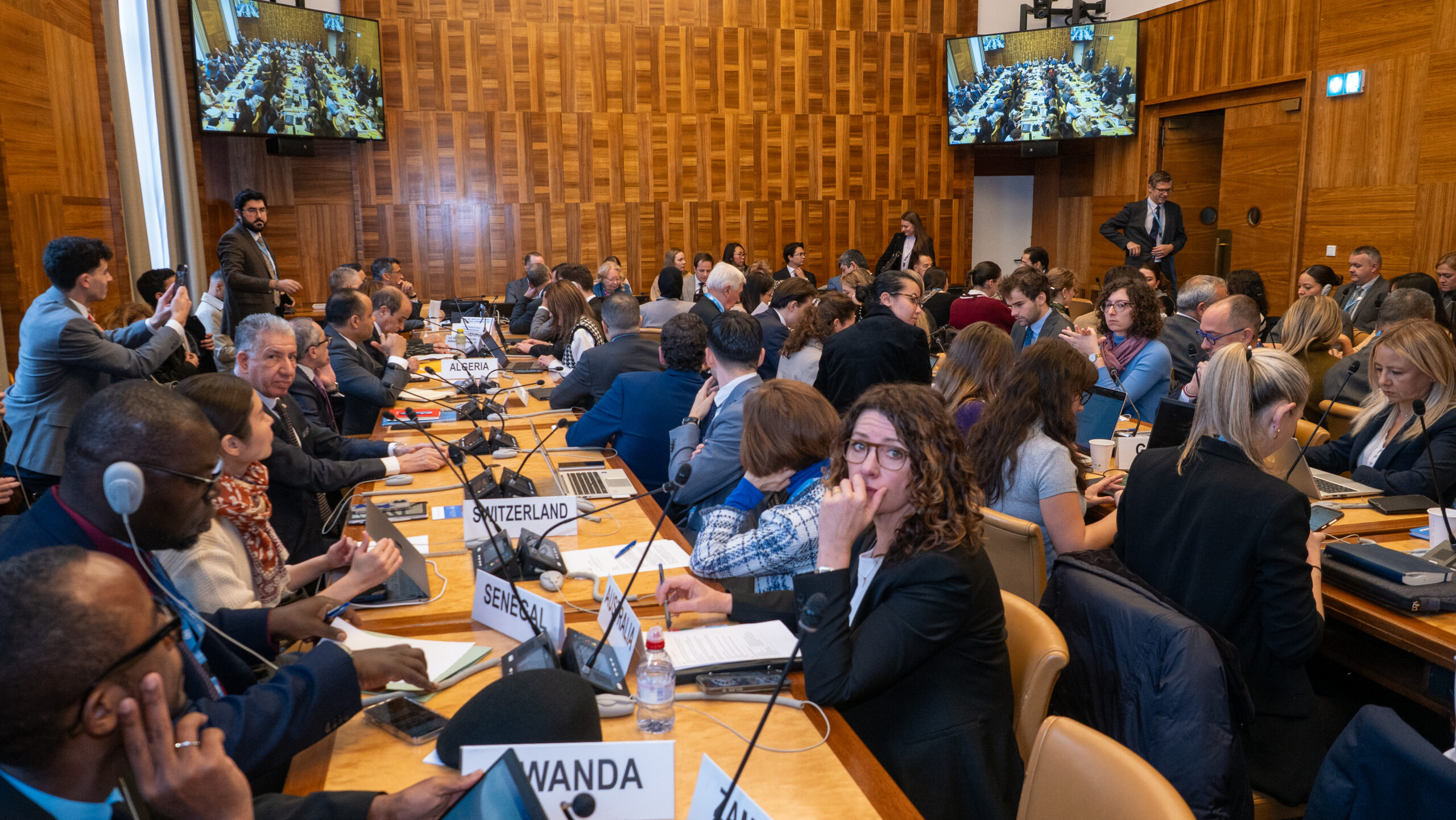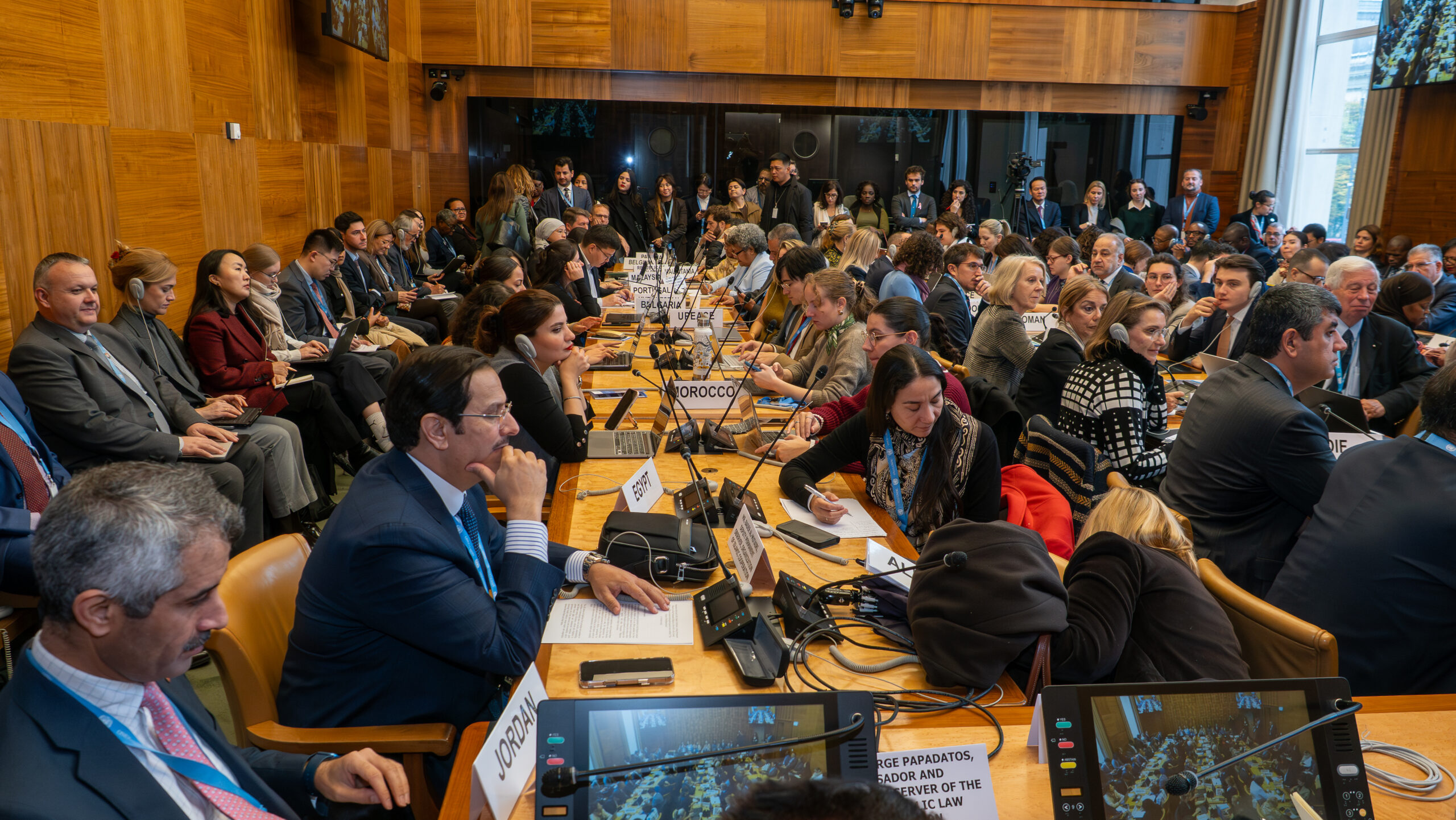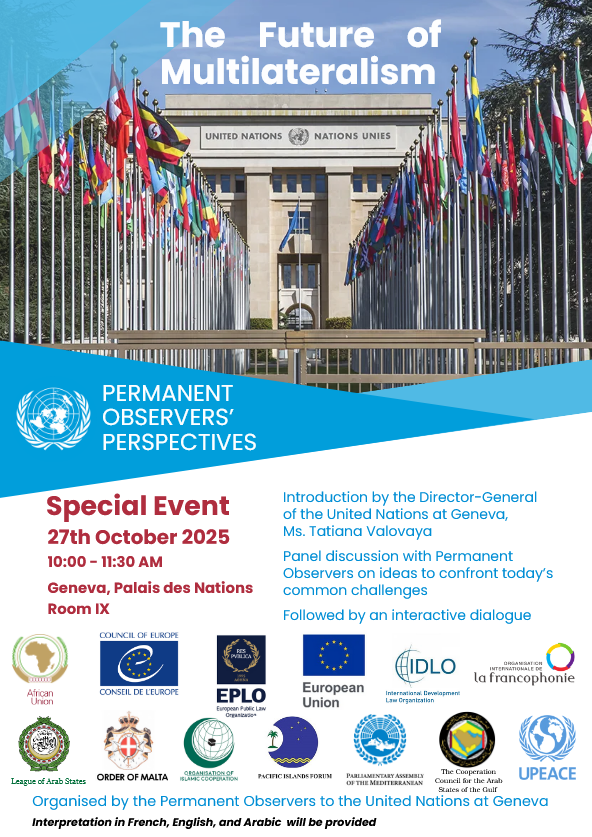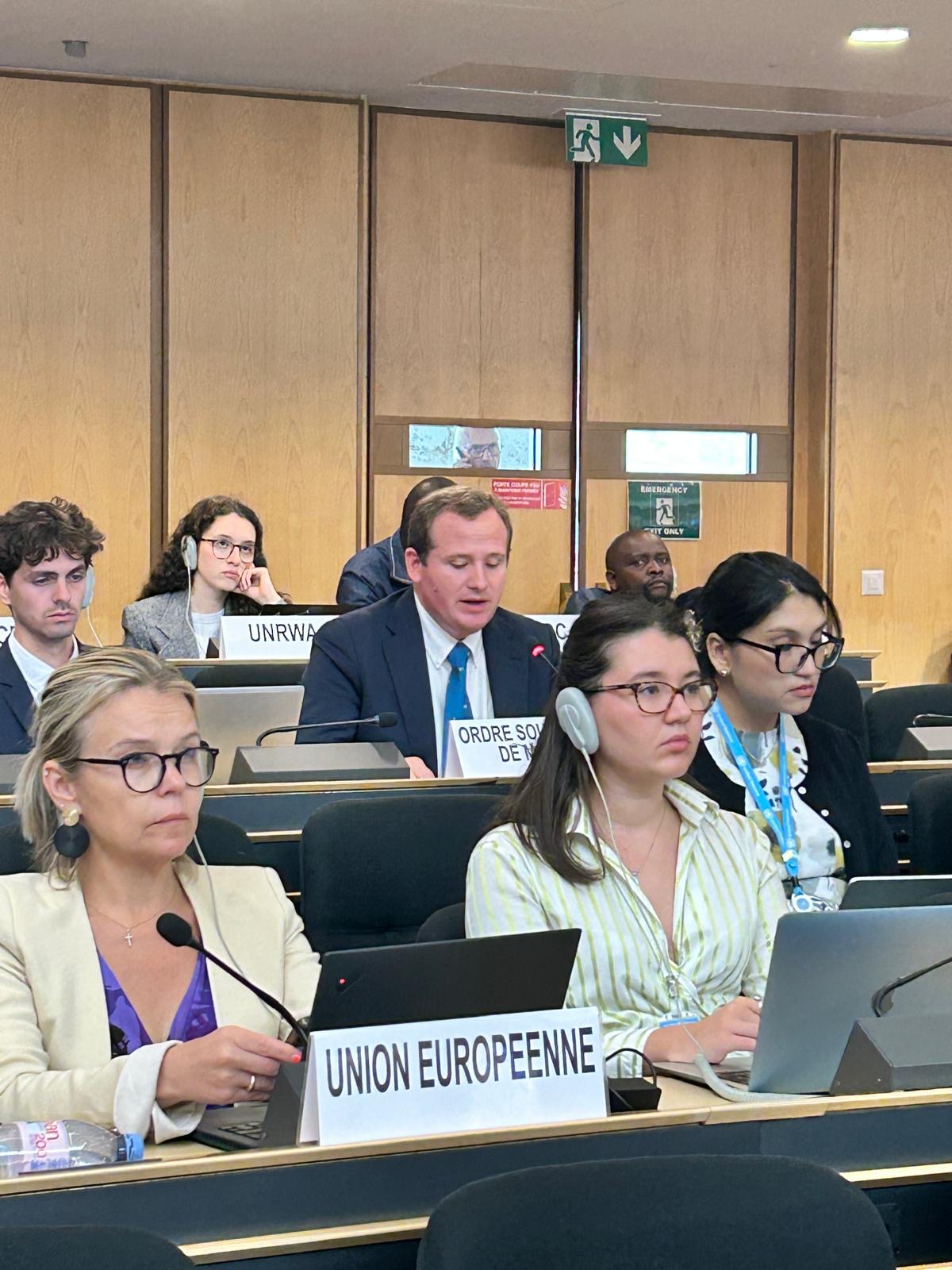
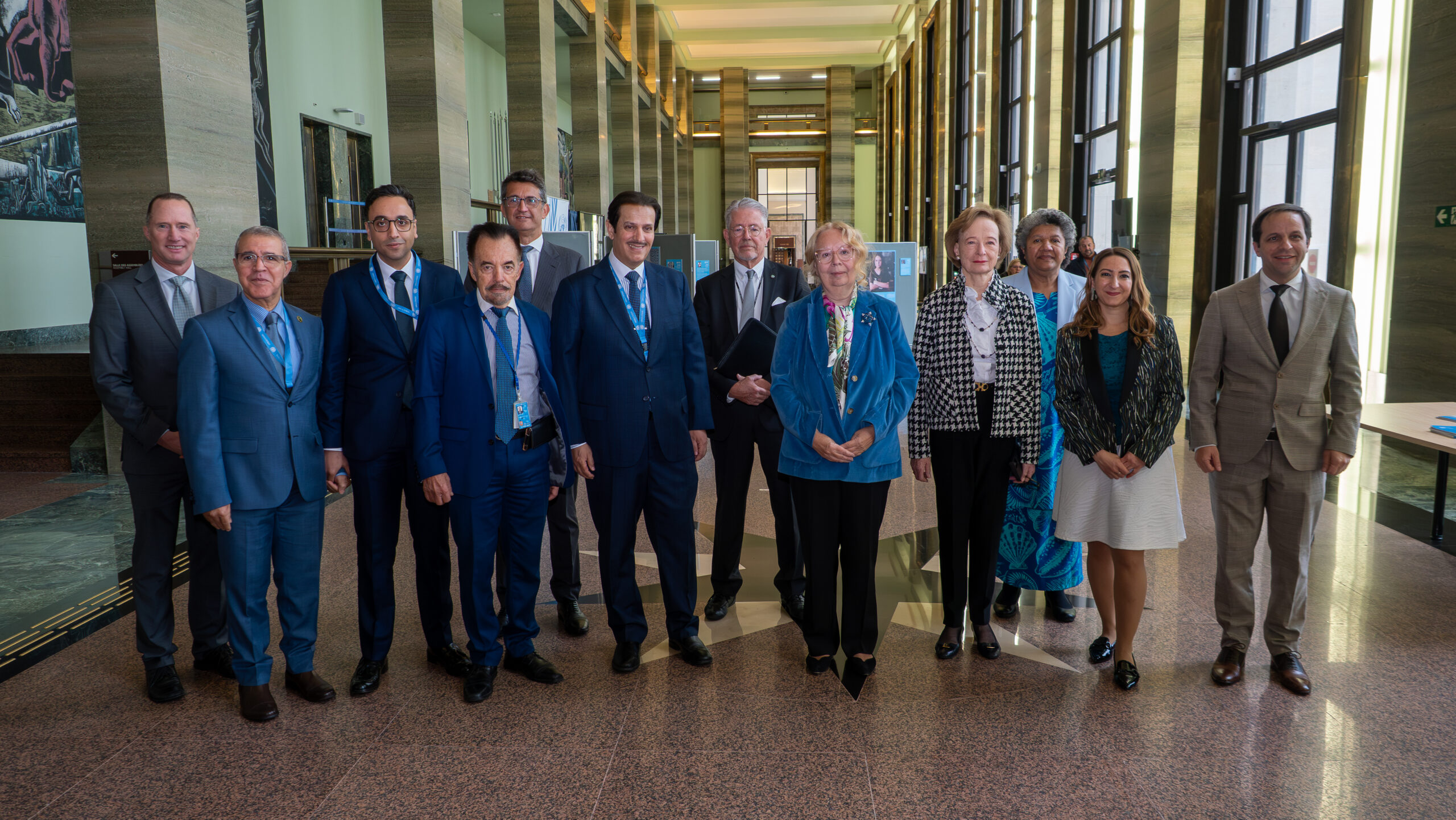
On 27 October 2025 the Permanent Observer Delegations to the United Nations at Geneva organized a Special Event on the topic “The Future of Multilateralism – Permanent Observers’ Perspectives”. The introduction by the Director-General of UNOG, Ms. Tatiana Valovoya, was followed by a panel discussion and an interactive dialogue with participants. Attendance included many Heads of Mission, other ambassadors and members of the diplomatic corps. The main objectives were to contribute to ongoing reflections on the reform of the multilateral system, analyze possible key transformations and propose initiatives to ensure that multilateralism remains relevant to people worldwide.
H.E. Ambassador Marie-Thérèse Pictet-Althann, Permanent Observer of the Sovereign Order of Malta, was one of the three main panelists. This is the text of her intervention:
Excellencies, Madam Director-General,
Distinguished Colleagues and Friends,
Let me begin by highlighting a part of multilateral Geneva that is often overlooked: the
Permanent Observer Delegations. These are entities that, while not full members of the United
Nations, play a vital role in the multilateral ecosystem, serving as bridges between states, civil
society, and international organizations. Their legal status is grounded in resolutions adopted
by the UN General Assembly and established custom, which grant them the right to participate
in the work of the UN without voting privileges. They engage actively in debates, share
expertise, and often help shape the agenda while operating like Permanent Missions in their
own right — with ambassadors, diplomats, experts and technical specialists.
It is also worth noting that intergovernmental organizations such as the European Union, the
League of Arab States, the African Union or the Pacific Islands Forum bear particular weight.
When they speak, they represent not just one member state but the consensus of entire
regions or groups of countries. This strengthens the coherence of debates and ensures regional
and interregional perspectives are well integrated into multilateral outcomes. Then there is
also the Parliamentary Assembly of the Mediterranean, which represents the Parliaments of
35 member states from the Euro-Mediterranean and Gulf region, whose main objective is to
enhance political, economic and social cooperation and to find common solutions to common
challenges. Parliamentary diplomacy is often overlooked as an essential complementary
instrument.
Crucially, alongside international governmental organizations, Permanent Observers with
specialized mandates bring perspectives and capacities that might otherwise be missing.
For example, the institution I represent, the Sovereign Order of Malta, has a unique status both
as a religious order and a sovereign entity under international law, but without territory. It
maintains diplomatic relations with 115 states and has representations to major international
organizations. Last year we celebrated in N.Y., Geneva and Vienna our 30th anniversary as a
Permanent Observer at the UN. Our global humanitarian outreach is reflected at the UN by
our contribution to humanitarian diplomacy, linking our field presence in over 120 countries
with policy debates at the multilateral level. In situations of conflict and natural disaster, the
Order can mobilize its network across continents and use its platform here in Geneva to
advocate for equitable access to humanitarian assistance for displaced and marginalized
communities.
This shows the real value of observers: they bring concrete, on-the-ground knowledge into
policy debates, often serving as a bridge between international norms and local realities.
What lessons can we take from this for the future of multilateralism, especially in light of the
challenges we face today — from geopolitical rivalry and climate change, to pandemics, digital
governance, and rising inequality?
- First, inclusivity beyond membership. We are reminded that entities without a vote can
still make indispensable contributions. Future multilateralism must be more open to
diverse actors —regional bodies, humanitarian organizations, civil society including
scientific, academic and religious communities and the media.
- Second, expertise over formal power. Humanitarian know-how or health expertise can
shape outcomes as much as — or sometimes more than — votes.
- Third, hybrid diplomacy. Observers demonstrate how Geneva can connect high-level
negotiations with grassroots realities, making multilateralism more relevant and
responsive.
- Fourth, values and principles. Specialized institutions keep concepts like human dignity
and neutrality alive in the system, anchoring multilateralism in legitimacy.
- Finally, adaptability. In today’s fragmented international environment, Observers point
to a more networked and flexible form of cooperation — one that builds coalitions
around issues such as security, development, human rights, faith, climate, health, or
humanitarian response, rather than relying only on rigid blocs.
In conclusion, Permanent Observers, whether intergovernmental organizations or specialized
entities remind us that multilateralism is not only about states and votes. It is about voice,
expertise, values, as well as advocacy and common plea.
To remain fit for purpose in the face of today’s global challenges, multilateralism must be
reformed with visionary mechanisms that go beyond traditional state-to-state diplomacy,
making it more inclusive, more networked, and grounded in the enduring principles of human
dignity and solidarity. Ultimately, in this spirit, the goal of today’s panel discussion is to offer
such perspectives for the future and highlight the vital role of Permanent Observers in this
process.
Thank you.